What Is Ashtanga Vinyasa Yoga? Breath, Movement & Flow
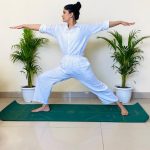
Ashtanga Vinyasa Yoga is a dynamic and rhythmic style of yoga that connects breath with movement through a flowing sequence of postures. It emphasizes the synchronization of breath (Ujjayi pranayama), movement (Vinyasa), and focused gaze (Drishti) to create a continuous and mindful practice. Each posture flows into the next with controlled breathing and smooth transitions, developing strength, flexibility, balance, stamina, and body awareness. The rhythmic coordination of breath and movement helps cultivate concentration, improve physical coordination, and create a meditative flow that connects the body and mind.
Unlike static yoga practices, Ashtanga Vinyasa Yoga emphasizes continuity, rhythm, and the smooth transition between postures. Through repeated sequences, practitioners gradually develop greater control over their movements, steadier breathing, and improved awareness of the present moment. The practice combines physical activity with mindful breathing, helping support mental clarity, stress management, and emotional balance. It is an excellent choice for individuals who enjoy an active, structured, and flowing yoga practice that brings together movement, breath, and mindfulness.
How We Teach Ashtanga Vinyasa Yoga at Vanchha Yoga
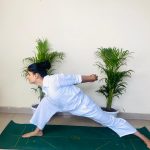
At Vanchha Yoga, we teach Ashtanga Vinyasa Yoga through a guided and progressive approach that emphasizes the natural coordination of breath, movement, and rhythm. Our sessions focus on developing a smooth flow between yoga postures while maintaining mindful breathing, body awareness, and appropriate alignment. Each practice may include Sun Salutations (Surya Namaskara), standing postures, seated postures, balancing movements, gentle backbends, and relaxation, connected through coordinated transitions and conscious breathing.
We guide practitioners step by step, helping them understand how to synchronize their breath with each movement and maintain a comfortable, steady rhythm throughout the practice. Postures and transitions are adapted according to individual ability, experience, and comfort. Our approach encourages practitioners to move with awareness rather than speed, allowing the practice to become a balanced combination of physical movement and mental focus.
Through our online classes and private sessions, Vanchha Yoga aims to make Ashtanga Vinyasa Yoga accessible to individuals seeking a more active and mindful way to improve their overall well-being. Our goal is to help every practitioner build strength, flexibility, coordination, and concentration while experiencing the harmony of breath, movement, and flow.
Who Is Ashtanga Vinyasa Yoga For? A Practice of Rhythm & Awareness
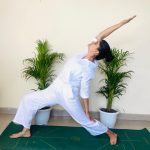
Ashtanga Vinyasa Yoga is suitable for individuals who enjoy dynamic movement, rhythmic sequences, and the connection between breath and body. It can be practised by beginners as well as those with previous yoga experience, with appropriate modifications and guidance according to individual needs and physical abilities. Whether you want to improve flexibility, develop strength, enhance coordination, or bring more mindfulness into your daily routine, this practice offers a balanced approach to physical and mental well-being.
The flowing nature of Ashtanga Vinyasa Yoga makes it appealing to people who prefer an active practice rather than holding postures for extended periods. By coordinating breathing with movement, practitioners can develop better body awareness, concentration, balance, and movement control. At Vanchha Yoga, we focus on helping each individual understand the rhythm of the practice, move comfortably between postures, and gradually develop confidence through consistent and mindful participation
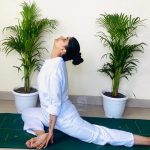
Start Your Ashtanga Vinyasa Yoga Journey with Vanchha Yoga
Begin your Ashtanga Vinyasa Yoga journey with Vanchha Yoga and discover the harmony of breath, movement, and mindful flow. Our online classes and private sessions are designed to help you experience a structured yet adaptable practice that supports strength, flexibility, balance, and overall well-being. Each session focuses on the smooth coordination of breathing and movement, with attention to posture, transitions, rhythm, and individual comfort.
Whether you are new to yoga or looking to explore a more dynamic style, our guided sessions help you understand the fundamentals of Ashtanga Vinyasa Yoga at a comfortable pace. With consistent practice, you can develop greater physical awareness, improve movement coordination, and cultivate a more focused and balanced state of mind.
At Vanchha Yoga, we believe that yoga is not simply about performing postures but about creating harmony between the body, breath, and mind. Join us to experience a mindful flow that supports physical vitality, mental clarity, and a deeper connection with yourself.
1. What is Ashtanga Vinyasa Yoga?
Ashtanga Vinyasa Yoga is a dynamic style of yoga in which postures are connected through coordinated breathing and flowing movements. It focuses on breath awareness, rhythm, smooth transitions, and mindful body movement.
2. Is Ashtanga Vinyasa Yoga suitable for beginners?
Yes. Beginners can start with guided instruction and modified postures. The practice should progress gradually according to individual comfort, mobility, and experience.
3. What are the main benefits of Ashtanga Vinyasa Yoga?
It can help improve strength, flexibility, balance, stamina, coordination, and body awareness. The combination of breathing and movement can also support concentration, relaxation, and stress management.
4. What is the role of breathing in Ashtanga Vinyasa Yoga?
Breathing guides the rhythm of the practice. Coordinating inhalation and exhalation with movement helps create smoother transitions, improve focus, and encourage mindful movement.
5. What is Vinyasa in Ashtanga Vinyasa Yoga?
Vinyasa refers to the coordinated linking of breath and movement. Each transition connects postures into a continuous flow rather than treating each posture as a separate movement.
6. How often should I practise Ashtanga Vinyasa Yoga?
Beginners may start with two or three sessions per week and gradually adjust their practice according to their comfort, recovery, and goals. Consistency is more important than pushing beyond personal limits.
7. What do I need for online Ashtanga Vinyasa Yoga classes?
You need a yoga mat, comfortable clothing, sufficient space to move safely, and a stable internet connection. Yoga blocks or a strap may be useful for modifications.
8. Are the classes live or recorded?
Please contact Vanchha Yoga for current class formats, schedules, and availability.
9. Can Ashtanga Vinyasa Yoga be modified for different fitness levels?
Yes. Postures, transitions, and the pace of practice can be adapted to individual needs and abilities. Beginners should focus on comfortable breathing, controlled movements, and proper guidance.
10. How can I join an Ashtanga Vinyasa Yoga class?
Contact Vanchha Yoga to enquire about available online classes, private sessions, and suitable practice options based on your experience and goals.