

Yoga Therapy for PCOS/PCOD: Support Hormonal Health, Stress Management & Overall Well-Being
At Vanchha Yoga, our Yoga Therapy for PCOS/PCOD programme focuses on gentle yoga movements, mindfulness, relaxation, and sustainable lifestyle practices to support overall well-being.
Polycystic Ovary Syndrome (PCOS), also commonly referred to as PCOD, is a hormonal and metabolic condition that may be associated with irregular menstrual cycles, acne, changes in hair growth, and difficulties with weight management or fertility.
Our sessions may include modified yoga postures, comfortable breathing awareness, meditation, Yoga Nidra, and relaxation techniques adapted to individual needs and physical comfort. We also emphasize consistent movement, stress management, and realistic daily routines that complement professional healthcare guidance. Each programme is personalized according to fitness level, symptoms, and individual goals rather than promising hormonal balance or a cure.
We offer home yoga sessions in Noida and online yoga therapy classes worldwide, providing complementary wellness support alongside appropriate medical care. Yoga therapy does not replace gynaecological assessment, prescribed medication, or other recommended treatment for PCOS/PCOD.
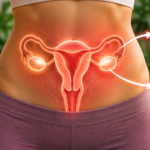
How We Teach Yoga Therapy for PCOS/PCOD
At Vanchha Yoga, we follow a personalized approach that considers each individual’s symptoms, activity level, comfort, lifestyle, and healthcare recommendations. Sessions focus on suitable physical movement, relaxation, mindfulness, and sustainable routines that can complement the management of PCOS/PCOD. Because symptoms and health needs differ from person to person, practices are introduced gradually and adapted to individual ability. The aim is to encourage consistent participation in physical activity and support general well-being without making unrealistic promises about hormonal changes, menstrual regularity, or fertility.
Our programme may include gentle yoga movements, suitable strengthening exercises, comfortable breathing awareness, meditation, and Yoga Nidra. Relaxation practices may help some individuals manage everyday stress, while appropriate movement can form part of a broader healthy lifestyle routine. We also encourage realistic habits involving regular physical activity, sufficient rest, and balanced nutrition in line with individual healthcare advice. More active practices may be introduced according to fitness level and comfort, while movements are modified whenever necessary. People with significant pelvic pain, unusually heavy bleeding, dizziness, or other concerning symptoms should seek medical assessment. Each session is designed to complement professional care and support a sustainable approach to physical and emotional well-being.

Who Can Benefit from Yoga Therapy for PCOS/PCOD?
Yoga Therapy for PCOS/PCOD may be considered by individuals who want to incorporate suitable movement, mindfulness, and relaxation into their broader wellness routine. People diagnosed with PCOS who wish to improve their activity habits, manage everyday stress, or develop a more consistent self-care routine may explore personalized sessions. Individuals experiencing concerns related to irregular periods, changes in weight, acne, or emotional well-being may also benefit from discussing a comprehensive management plan with their healthcare professional. Yoga suitability depends on symptoms, fitness level, medical history, and personal goals, so the programme should be adapted rather than based on a single routine for everyone.
A personalized programme may include gentle yoga, suitable strengthening and mobility exercises, meditation, and relaxation practices according to individual needs. Individuals who are planning a pregnancy, receiving fertility treatment, or managing other medical conditions should discuss suitable activity with their healthcare professional. Persistent pelvic pain, unusually heavy bleeding, or prolonged absence of periods requires medical assessment rather than relying on yoga alone. Yoga therapy cannot cure PCOS/PCOD, guarantee weight loss, regulate menstrual cycles in every individual, or improve fertility outcomes. Its role is to complement appropriate medical care and support general well-being, physical activity, and sustainable lifestyle habits.

Start Your Yoga Therapy for PCOS/PCOD Journey
At Vanchha Yoga, we believe that wellness practices should be practical, individualized, and supportive of each person’s health goals. Your programme begins with understanding your symptoms, physical comfort, activity level, daily routine, and any precautions recommended by your healthcare professional. Based on these considerations, suitable yoga movements, strengthening exercises, comfortable breathing awareness, meditation, and relaxation techniques may be introduced gradually. The emphasis is on consistency, realistic goals, and sustainable habits rather than expecting immediate changes in menstrual cycles, weight, or hormone levels.
Whether you prefer home yoga sessions in Noida or online yoga therapy classes worldwide, our sessions can complement your existing healthcare plan. We encourage individuals with PCOS/PCOD to continue recommended medical monitoring and discuss treatment, nutrition, physical activity, and fertility-related concerns with qualified healthcare professionals. Practices can be adapted to your comfort and fitness level, and any movement causing pain or unusual symptoms should be modified or stopped. Begin with a consultation to discuss your wellness goals, relevant precautions, and suitable session options so that your programme can be planned around your individual needs and medical recommendations.
1. What is Yoga Therapy for PCOS/PCOD?
It is a complementary wellness approach that may include yoga, suitable physical activity, mindfulness, and relaxation to support general well-being alongside appropriate medical care.
2. Can yoga therapy cure PCOS/PCOD?
No, yoga therapy cannot cure PCOS/PCOD. It may complement healthy lifestyle habits and medical management but does not replace professional treatment.
3. Can yoga therapy help with stress related to PCOS/PCOD?
Gentle yoga, meditation, and relaxation may help some individuals manage everyday stress. Persistent emotional difficulties should be discussed with a qualified healthcare professional.
4. Which yoga practices may be suitable for PCOS/PCOD?
Depending on fitness and comfort, sessions may include gentle yoga, suitable strengthening movements, breathing awareness, meditation, and Yoga Nidra.
5. Can yoga therapy regulate irregular periods?
Yoga cannot guarantee regular menstrual cycles. Persistent irregular periods should be assessed by a healthcare professional to identify appropriate management options.
6. Can yoga therapy help with weight management in PCOS/PCOD?
Yoga may contribute to regular physical activity and general well-being. Weight management depends on multiple factors and may require individualized medical and nutritional guidance
.
7. Can yoga therapy improve fertility in PCOS/PCOD?
Yoga cannot guarantee improved fertility or pregnancy. Individuals planning a pregnancy should discuss fertility concerns and treatment options with a qualified healthcare professional.
8. Is yoga therapy suitable for beginners with PCOS/PCOD?
Yes, suitable practices can be adapted to beginners according to comfort, fitness, and health needs. Start gradually and seek medical guidance when necessary.
9. Can yoga therapy replace medication for PCOS/PCOD?
No, yoga therapy should not replace prescribed medication or medical monitoring. Consult your healthcare professional before making any treatment changes.
10. When should someone with PCOS/PCOD seek medical advice?
Seek medical advice for persistent irregular periods, prolonged absence of menstruation, severe pelvic pain, or unusually heavy bleeding. Sudden severe pain requires urgent assessment.
11. Does Vanchha Yoga offer home sessions in Noida and online classes worldwide?
Yes, Vanchha Yoga offers home yoga sessions in Noida and online yoga therapy classes worldwide, subject to availability. Sessions are adapted to individual needs and comfort.
12. Can yoga therapy be practised alongside PCOS/PCOD treatment?
Yes, yoga may be included as complementary wellness support when appropriate. Continue recommended treatment and discuss suitable activity with your healthcare professional.